Build the scope around the elevations customers and tenants see
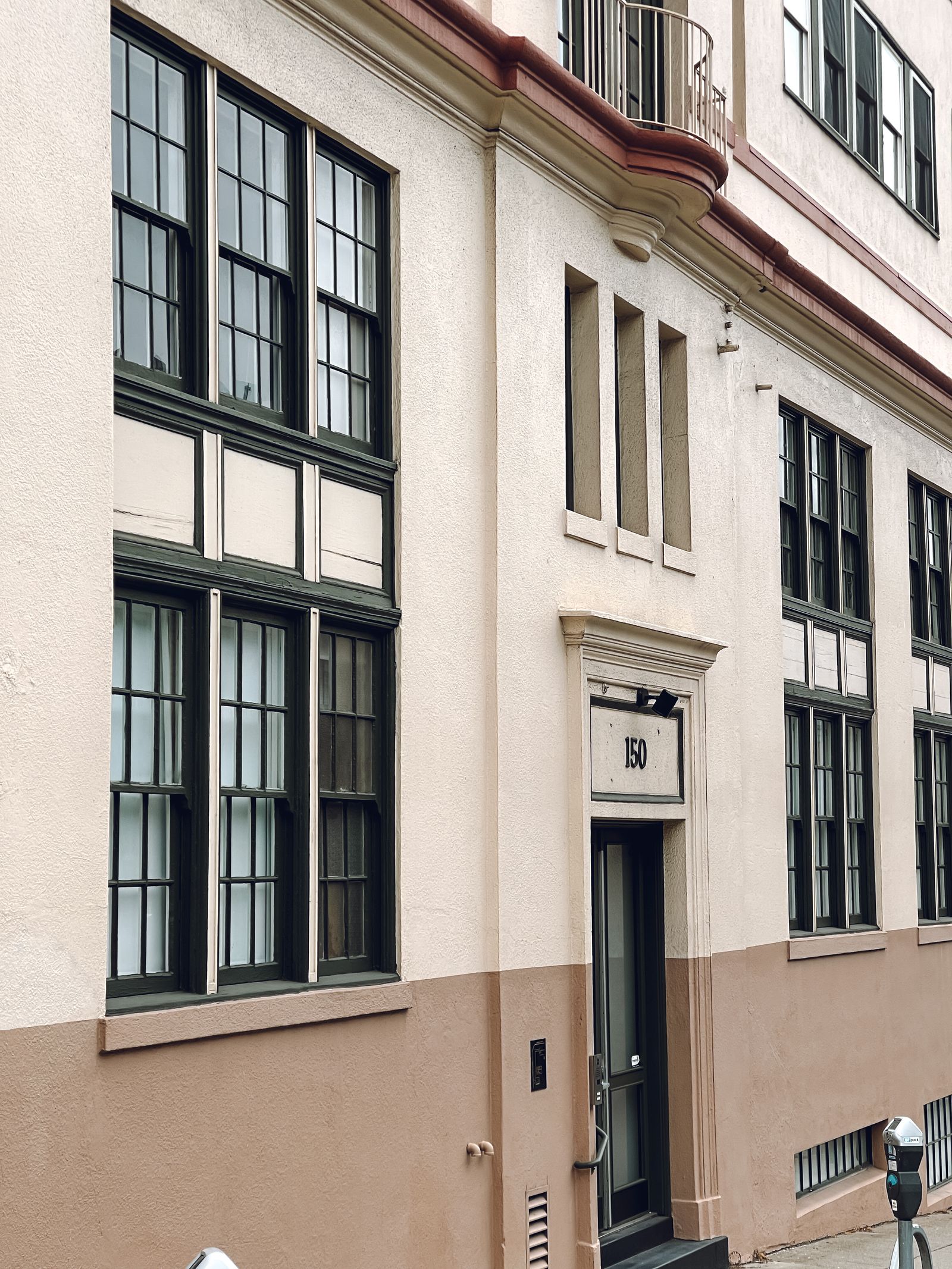
A commercial property can look neglected because of one shaded wall, a dark canopy edge, streaking below a parapet, or a stained entrance column even when the rest of the building is serviceable. In Port St. Lucie, those high-visibility areas often include monument signs, storefront surrounds, breezeways, covered drop-offs, refuse enclosures, and the walls facing busy parking aisles. We organize the work by elevation and feature so an owner can choose a public-facing reset, a full building wash, or a phased maintenance program instead of approving an undefined square-foot allowance.
Compatible stucco, EIFS, painted masonry, precast, coated metal, and selected concrete can often be cleaned with a chemistry-led, lower-pressure process after testing and protection planning. Soft washing is not a promise to remove oxidation, failed coatings, rust, efflorescence, cracked stucco, open sealant, etched glass, or water-intrusion damage. Those conditions may need specialty cleaning, repair, restoration, or another qualified professional. Naming those boundaries makes the quote more useful and keeps appearance work separate from building-envelope diagnosis.
- Storefronts, entry columns, sign bands, canopies, breezeways, and customer-facing walls
- Compatible stucco, EIFS, masonry, precast, painted surfaces, and coated metal
- Parapets, ledges, roofline trim, selected upper elevations, and service-side walls
- Defined exclusions for glass restoration, coating failure, corrosion, repairs, and loose material
Match the cleaning method to Port St. Lucie materials and deposits
A newer stucco facade in Tradition, a painted block building near Torino, a concrete sidewalk at St. Lucie West, and a metal sign frame along US-1 may share the same green or gray appearance while requiring different treatment. Organic growth, pollen, road film, bird residue, irrigation minerals, salt film, oxidation, and construction residue do not respond identically. A process that loosens biological staining may leave hard-water deposits untouched, while a pressure pass that is acceptable on a sound service apron can mark a painted wall, drive water behind a joint, or damage a coating.
Before broad work, we look for substrate, coating, age, repairs, windows, doors, sealants, electrical fixtures, vents, landscaping, and signs of water entry. A test area is especially helpful on patched stucco, colored paint, EIFS, high-visibility entrances, and surfaces that have been cleaned before. The proposal can then separate soft wash, controlled rinse, hand detailing, contact glass work, and restoration rather than presenting one tool as the answer to every stain.
Plan around US-1, I-95, the Turnpike, and occupied-site access
Port St. Lucie sites are spread across large, active corridors. A center near US-1 may have customer turnover, delivery trucks, turning lanes, and storefronts close to the work zone. St. Lucie West Boulevard and Gatlin Boulevard properties may combine offices, restaurants, apartments, and landscaped common areas. Tradition and the western growth area can provide larger setbacks but still have events, outdoor dining, construction traffic, and long travel paths between water access and the far elevation. Sites near I-95 or Florida's Turnpike may include warehouses, fleet yards, loading docks, and security rules that change when a crew can work.
We ask about tenant hours, patient or customer drop-off, trash pickup, delivery windows, fire lanes, accessible paths, irrigation schedules, water connections, air intakes, doors, drains, and electrical equipment. The building may be divided into zones so the least occupied elevation is completed first and a primary entrance is returned dry and inspected. The scope should state where barriers, spotters, hose protection, notices, temporary closures, or a property representative are needed. A clean wall is only useful when the operation leaves the site safe and open for business.
Account for Treasure Coast sun, humidity, storms, and coastal exposure
Port St. Lucie has a warm, humid climate with intense sun, frequent rain, seasonal thunderstorms, and tropical-weather risk. A property near the river or lagoon may receive more windblown salt and moisture than an inland commercial park. Shaded walls behind palms or dense landscaping can hold organic film longer, while sunny elevations may show chalking, faded paint, or rapid drying. Irrigation around office entries and retail islands can create mineral spotting. Lower walls along US-1, Port St. Lucie Boulevard, or busy parking routes can accumulate road soil even when upper elevations appear clean.
Forecast conditions affect dwell time, drift, drying, ladder or lift use, public safety, and aerial feasibility. We pause for lightning, unsafe wind, heavy rain, uncontrolled public activity, or water movement that cannot be managed as planned. Washing does not repair failed flashing, leaking joints, corroded fasteners, deteriorated coatings, or damaged stucco. If cleaning reveals one of those conditions, the right next step may be a facade contractor, waterproofing professional, owner representative, or engineer. That keeps a maintenance budget honest and avoids treating a cosmetic service as an inspection.
Control water before it reaches a drain, canal, or planted area
Commercial washing is also a water-management project. Port St. Lucie properties may include curb inlets, swales, retention areas, pavers, planted medians, ponds, garage ramps, neighboring parcels, and low points that are not obvious from the entrance. Rinse water can carry loosened soil and cleaning residue from a wall to a stormwater feature even when the crew works from the top down. The team reviews the path from the facade to grade, protects doors and air intakes, manages hose crossings, and confirms where water can be directed, contained, or recovered.
City and county stormwater requirements, site rules, and receiving-water concerns can affect the work, particularly near the St. Lucie River, the Indian River Lagoon, drainage canals, retention ponds, and public rights of way. We do not treat the closest inlet as an automatic disposal point. The quote should identify water access, expected flow, drain locations, containment or recovery assumptions, plant protection, and the circumstances that require a pause or property decision. These details matter as much on a modest storefront as on a large multi-tenant campus.
- Map drains, swales, low points, planted beds, ponds, doors, air intakes, and neighboring edges.
- Confirm water source, shutoffs, hose routes, pedestrian paths, and vehicle controls.
- Coordinate irrigation, deliveries, tenant notices, events, and loading operations before arrival.
- Define weather and runoff conditions that require a pause, diversion, containment, or reschedule.
Use drone assistance only when the address and elevation support it
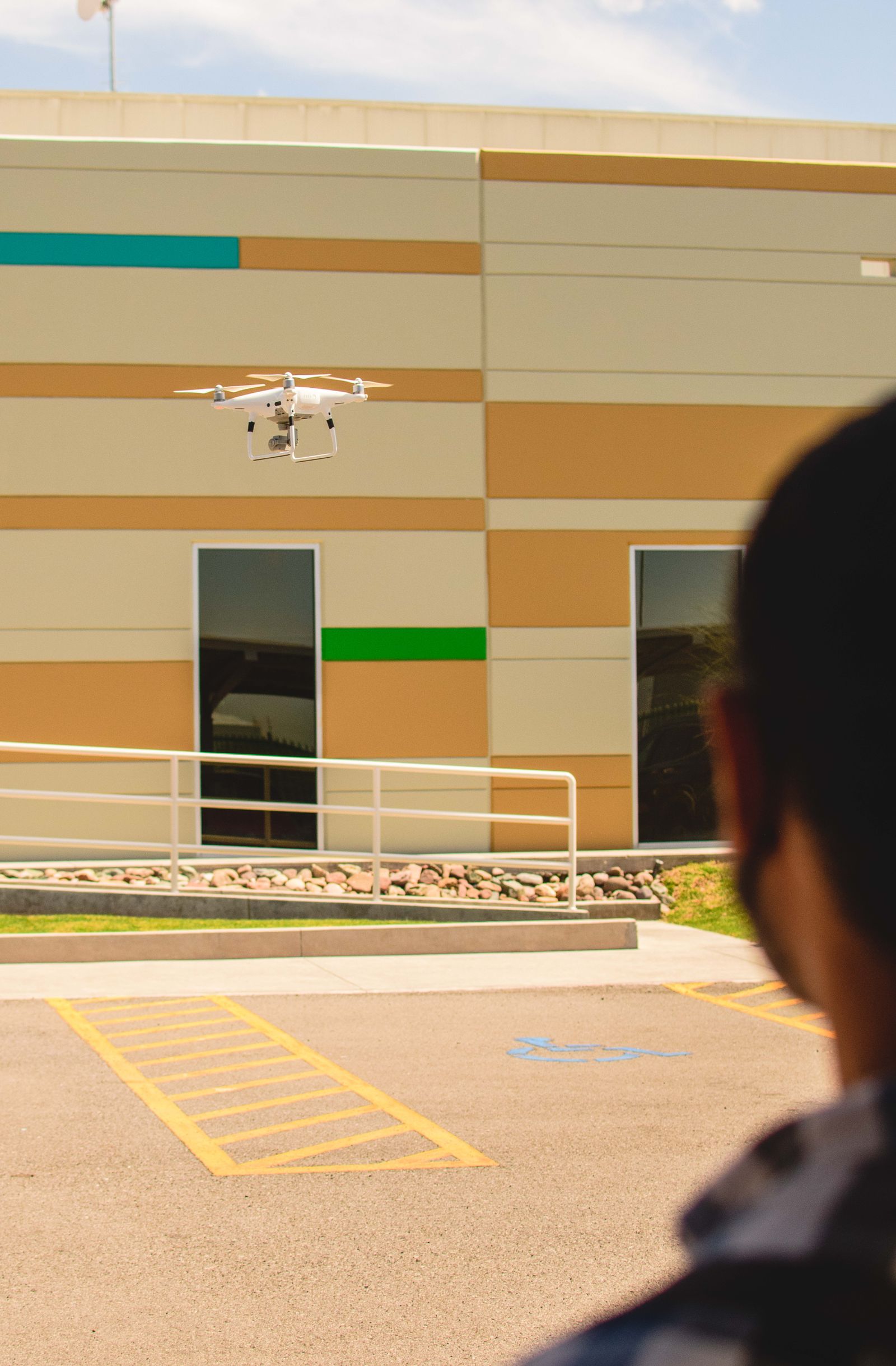
Drone-assisted application or rinsing may fit an open upper wall when there is adequate stand-off space, clear line of sight, manageable wind, a suitable launch area, and a ground plan that keeps people and vehicles separated. It can reduce some lift staging on selected broad elevations, but it is not a guarantee of uniform contact cleaning. Trees, power lines, balconies, recesses, canopies, roof equipment, neighboring buildings, active roads, and narrow courtyards can limit the operation. Lower walls, stubborn deposits, trim, entrances, and glass that needs hand agitation may still require direct tools.
Port St. Lucie addresses should be screened individually for airspace, nearby airports or heliports, public activity, property lines, and operating restrictions. Federal Aviation Administration rules and any required authorization are separate from owner permission. If aerial work is unsuitable, the recommendation may be a pole, lift, ground-based soft wash, phased sequence, or a different provider. The useful question is which method gives the property a controlled result with the least disruption, not which tool sounds most advanced.
Make the quote straightforward for owners and facility teams
A conversion-focused proposal should reduce uncertainty before a crew is scheduled. It should name the included elevations and surfaces, assign a proposed method to each zone, state the intended appearance result, list exclusions, describe water and runoff assumptions, explain access and work windows, and note weather or public-traffic stop conditions. For a multi-tenant property, name the entrances, sign bands, canopies, sidewalks, loading areas, and parking edges included in the work rather than relying on one building-wide label.
To request a Port St. Lucie assessment, send the property address, wide and close photographs, approximate height, surface or coating information, priority elevations, visible staining, tenant hours, preferred dates, water access, and known drainage constraints. Photos of rooflines, drains, landscaping, glass deposits, cracks, rust, and prior cleaning results help identify the right next step. We can then recommend a site review, test area, one-time wash, phased service, or recurring exterior plan. Call +1 239-351-2897, email contact@dronebuildingcleaners.com, or use the quote form to discuss the property.